Sadhama means – True Nature
Saddhamma, (Pali) sad (= sant) + dhamma. Saddharma (sanskrit): the true dharma or Nature, the “doctrine of the good”.

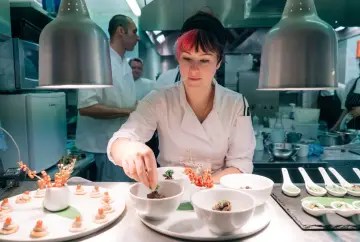
I was the Head Chef for one of the oldest vegetarian restaurants in London, running a fine dining restaurant in Marylebone, serving up to 200 vegan and plant-based meals a night. I ran a wildly successful Permaculture Café at the Glastonbury festival, serving hundreds over the event with top reviews in the Guardian and other media. I was working 90 hours a week, fuelled by a deep love for my work and an unrelenting drive to be the best I could be. Eventually, recognising the toll this was having on my health, I decided to take some time out and reassess where I was in my life, and what was important to me.
My journey with food which had culminated in this high-pressure, high-achieving culinary world started when I was young. A great lover of eating from an early age, I grew up with a chequered relationship with food and my body. I relished food and it was the centre of all celebrations and social occasions but I didn’t like that I was overweight,
I would look at what other people were eating and be so confused at why I was eating less but still holding on to weight, or that the ‘healthy’ foods that they loved didn’t feel right in my body. I was a person who was never hungry for breakfast but was told by the media that science had proven people who ate breakfast were more likely to be a healthy weight. So I would try and force myself to eat it, knowing deep down that it didn’t make any sense.
As I grew into my twenties the excess weight did finally come off – through extreme calorie cutting and restrictive eating. I still loved to be around food, even if I didn’t let myself eat so much of it, so I became an avid home cook and started to find joy in feeding others. Around this time I became involved with climate activism and direct action, and soon realised that all the reasons I had decided to become vegetarian at 12 yrs old also applied to all those dairy products I was still eating. There was still suffering, still death, still devastating environmental consequences. Going vegan was the only way for a life that caused the least harm to others and to the planet.
I was cooking a lot at home – now everything had to be vegan, and my partner at the time had a lot of food allergies so was also gluten-free. This was nearly twenty years ago – there was no free-from aisle in the supermarkets then! Everything had to be made from scratch. I would spend weeks perfecting things like the ultimate vegan gluten-free crumpet, still never even considering this could be a way of making a living for me.
I was trying to find a job in food sustainability – after an internship at a food ethics think tank and government advisory group, work was hard to come by, but it was when I interviewed for another job – a support worker at a community farm – that I got a surprise call back. I wasn’t the right person for farm work – but would I be interested in taking a role which went between the farm and the cafe run by the same CIC?
This job was a dream – half the week planting seeds, tending them, harvesting fruits and vegetables, then the other half taking them to a cafe and turning them into delicious menu items. My first day in a commercial kitchen was a complete revelation – someone was actually paying me to do what I was spending all my free time at home doing! I was hooked and I never looked back.
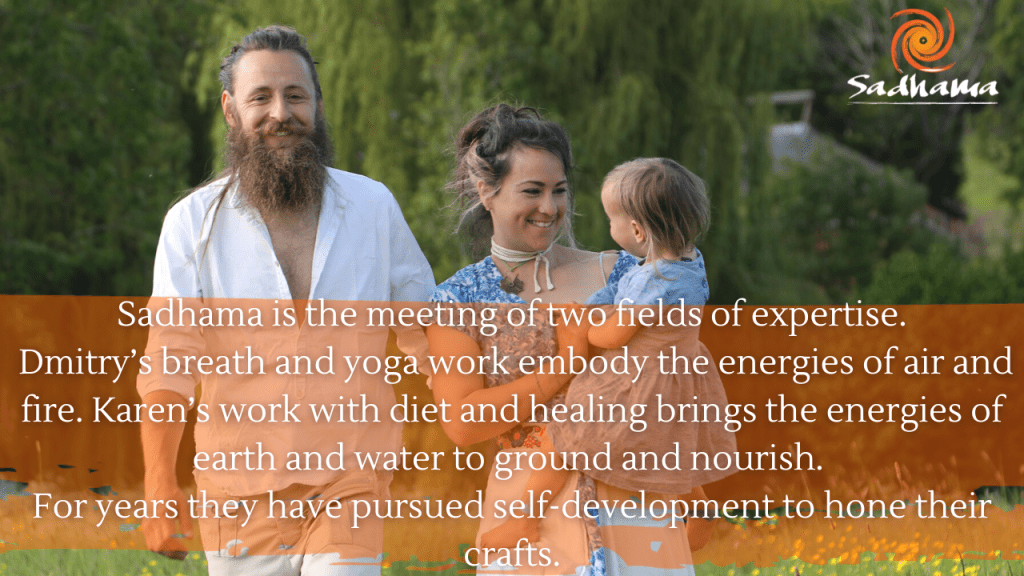
Shortly after I moved to London and my background in activism led me into the squatting scene. Our crew would find abandoned and disused commercial buildings and create social centres – opening them up for the community to use by putting on events, workshops, cabarets and classes. It was here I met Dmitry, and within a few months we were married.
I continued to climb the ladder in the restaurant industry, gaining experience in a huge variety of settings before finally landing a role as Head Chef in a vegetarian fine dining restaurant in the heart of London’s Marylebone. The food was exquisite, the job was highly prized and the role was everything I’d worked so hard for. As the hours piled up and late nights ran into each other with only a few hours of sleep in between my own eating habits became erratic and the stress started to result in attacks of anxiety and asthma. Many chefs in that position turn to unhealthy habits with drugs and alcohol to help them cope and I could see myself heading the same way, That’s when I knew it had to stop.
It was not long after this that I came across Ayurveda. Suddenly it all fell into place – this was a clear and logical explanation of why some people struggled to lose weight while others ate twice as much and didn’t gain. This is why a raw food diet worked for some but gave others indigestion, this is why some people thrived on spicy food when others couldn’t tolerate it. People’s digestions are different – they need different diets to find health and balance.
Everything I learned from an Ayurvedic approach to eating made instinctive sense. All those things that didn’t make sense to me as a child suddenly were simply and easily explained – the more I learned about Ayurveda, the more answers it had.
The thing I love most about the study of culinary Ayurveda is that it is not a list of prescriptive recipes that you must follow, or a list of foods that you are forbidden to ever eat. It is not a cookery book you must follow to the letter or an exclusionary, restrictive diet. It is a set of principles and guidelines which enable you to develop a deeper relationship with your own body, your own “gut instinct”, and your own intuition into what feels the most healthy for you.
It is a tool that puts you in control of your own health. It is a set of culinary techniques and approaches which make you a better cook, simply by helping you understand how to layer flavour, combine foods and season them so they taste amazing and feel fantastic in your body. This is something no recipe book can teach.
And while Dmitry was discovering the alternative path to the one-size-fits-all yoga culture, here was the route past the one-size-fits-all Western diet culture.
A welcome respite from the false truth that the same approach to diet suits all people. We are all different, with a unique microbiome and set of dietary needs. This is a way to look objectively at our whole self, and tailor the way we eat to our own body’s set of requirements for holistic health.
Now at Sadhama’s retreats and online courses I get to share my passion for the culinary route to wellbeing. There is nothing that makes me happier than seeing a group of people being nourished by gorgeous tasting, energising food, and I’m so grateful for these opportunities.